

Eroll Garner
Liberation in Swing: The Octave Record Story & Complete Symphony Hall Concert
Liberation in Swing tells the real story of pianist Erroll Garner, his manager Martha Glaser, and their fight for creative freedom. Garner was a once-in-a-century artist who touched the lives of millions of people with his music. Spanning four LPs, twelve albums of high resolution audio files, and a 60-page hardcover book, this sprawling collection represents the culmination of years of work by a team of individuals dedicated to telling Garner and Glaser’s true story through music, essays, and visual art.

...the various elements in Liberation In Swing mark the zenith of Garner's career and provide more than ample proof of his preeminent place in music history.


about Liberation In Swing
A sprawling collection of Erroll Garner's work, Liberation In Swing spans four LPs including the Complete Symphony Hall Concert and Sessions as well as a 192kHz/24bit Master Recording Quality Download of the twelve-album Octave Records Remastered series. This special collection is bound in a 60-page hardcover book featuring revealing essays by vocalist and visual artist Cécile McLorin Salvant, author and historian Robin D. G. Kelley, and drummer and producer Terri Lyne Carrington, along with Garner's never-before-seen original artwork, rare photographs, and unique glimpses into the Erroll Garner Archive.

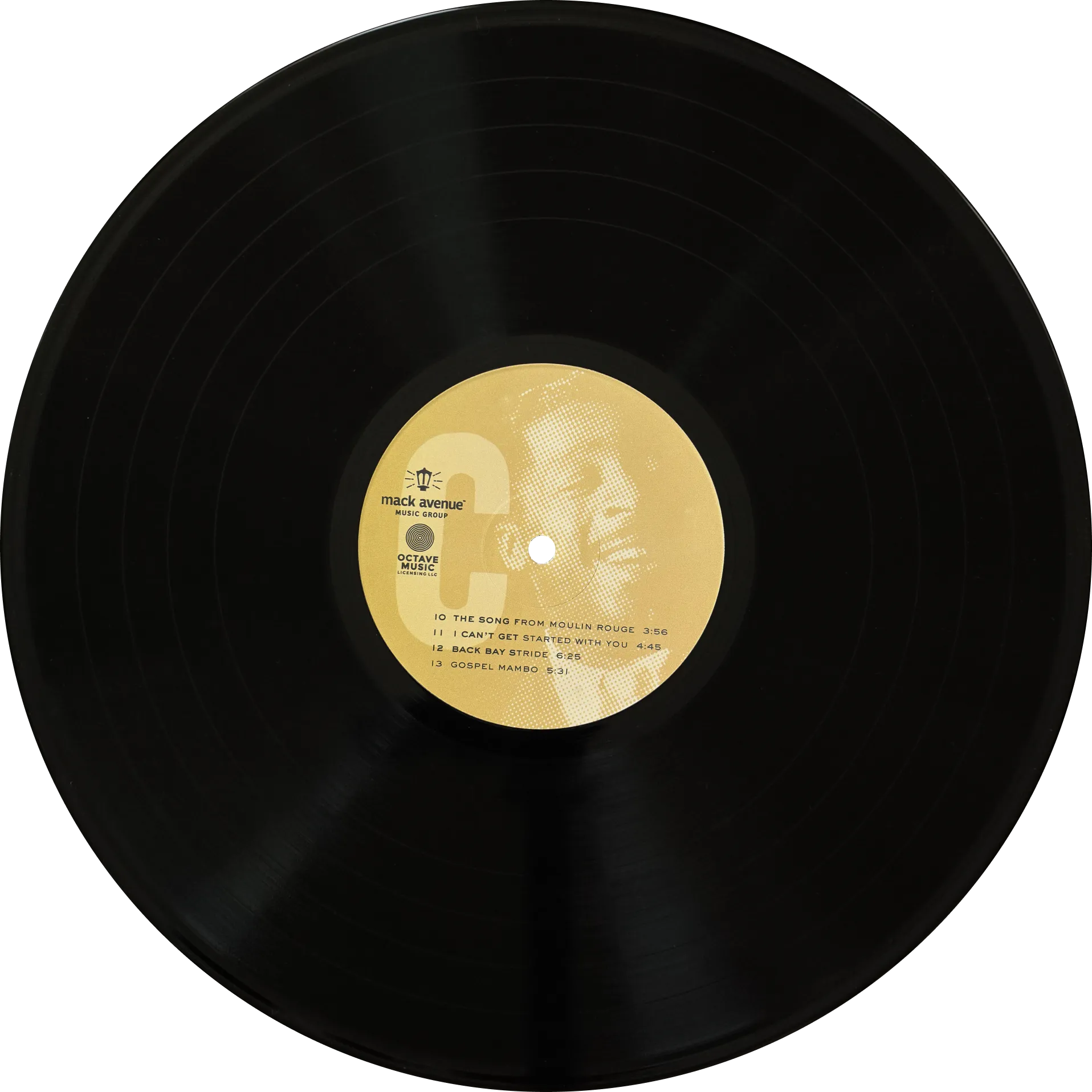


COMPLETE SYMPHONY HALL CONCERT 3 LP TRACKLIST
Set One
Set Two
Set Three
Sessions Tracklist
Credits
Senior Producer Peter Lockhart Producer Steve Rosenthal Writing Terri Lyne Carrington; Robin D.G. Kelley; Cécile McLorin Salvant Editors Brian Grunert; Ashley Kahn; Peter Lockhart Art Direction & Design Brian Grunert & Rachel Jankowski, White Bicycle; Peter Lockhart Mastering Michael Graves, Osiris Studio; Jessica Thompson Mixing Peter Lockhart; Ed McEntee; Steve Rosenthal Sound Restoration Jamie Howarth, Plangent Processes; Peter Lockhart Analog Tape Transfer John K. Chester Vinyl Mastering Engineer Chris Muth, Taloowa Mastering & Vinyl Cutting
Senior Producer Peter Lockhart Producer Steve Rosenthal Writing Terri Lyne Carrington; Robin D.G. Kelley; Cécile McLorin Salvant Editors Brian Grunert; Ashley Kahn; Peter Lockhart Art Direction & Design Brian Grunert & Rachel Jankowski, White Bicycle; Peter Lockhart Mastering Michael Graves, Osiris Studio; Jessica Thompson Mixing Peter Lockhart; Ed McEntee; Steve Rosenthal Sound Restoration Jamie Howarth, Plangent Processes; Peter Lockhart Analog Tape Transfer John K. Chester Vinyl Mastering Engineer Chris Muth, Taloowa Mastering & Vinyl Cutting
Liner Notes
Garner seems to have been forgotten by younger jazz critics and jazz pianists alike. There was only one Erroll Garner and it would help every jazz pianist if they paid a little more attention to his talent and creativity.”— George Wein
The legendary impresario has a point: Erroll Garner appears infrequently in most jazz history books, and he doesn’t appear at all in Ken Burns’ nineteen-hour documentary *Jazz*. But Garner’s absence from the canon was never a matter of forgetting; his is still one of the most recognizable names in jazz. The problem rests with what we remember, with how he was seen not only in death but during his lifetime. In his prime, Erroll Garner was cast as the jovial little elf with conked hair who played piano while perched on two telephone books, could not read a lick of music, and yet was often compared with Debussy. A prodigy who never fully shed his childhood innocence, his happiness was infectious—the perfect antidote to the angry Black jazz musician. While it sold magazines and boosted ticket sales, the press’ obsession with his height, his telephone books, his musical literacy, his reputed naivete left little space to engage his “talent and creativity.” Erroll Garner was beloved, even revered, but rarely taken seriously as a musician and a composer.
Garner’s body of work, especially the recordings he produced for his own Octave Records label, breaks through the stereotypes to reveal a true giant of modern piano. He mesmerized audiences, moving effortlessly between lush harmonies and dissonant voicings; f lorid runs, tremolos, and graceful two-handed arpeggios; a staccato left hand hammering steady, four-beats-to-the-bar or a little behind the beat, and a virtuosic right-hand spinning flawless counter-melodies. His elaborate rubato introductions or mini “preludes” usually bore little resemblance to the melody, leaving audiences—not to mention his own sidemen—in great anticipation of what was to come. Ahmad Jamal described Garner as “an orchestra within himself.” This was always Garner’s intention. The big bands, especially Jimmie Lunceford, Duke Ellington, Count Basie, and Chick Webb, were his main influences, not pianists. As he told drummer/writer Art Taylor, “I want to make [the piano] sound like a big band if I can.” He not only reinvented the American Songbook, he expanded it with his own original compositions. ASCAP (the American Society of Composers, Authors and Publishers) ranked ”Misty” among the 15 most-performed songs of the 20th century and it is universally accepted as a classic. It is just one of over *two hundred songs* Garner composed during his lifetime—some of which have been included in this collection, *Liberation in Swing*, for the first time. As a composer, he was open to all types of music while being firmly rooted in Black culture, recognizing the inherent dignity in the blues, gospel, and Afro-Latin music. Garner’s manager and producer, Martha Glaser, devoted six decades of her life trying to get the world to pay attention to his talent and creativity, to see him as a proud, dignified, and serious artist. She worked tirelessly to move him from dank nightclubs to grand concert halls, to raise his artistic stature as well as his income, and to create opportunities for him to thrive as a composer. As a team, they went up against the largest recording company at the time, Columbia Records, in what proved to be a landmark fight for equality, justice, fairness, and creative integrity for all recording artists. They challenged the corporate use of record clubs to sell discounted product without properly compensating the artist, and in doing so, helped pave the way for other artists to have greater control over their creative work, and foresaw the problems musicians currently face with streaming platforms. Refusing to accept the exploitative practices of publishers and the record industry, Garner and Glaser formed Octave Music Publishing and Octave Records. Arguably, their decision to stand up to corporate power and strike out on their own, allowing Garner to pursue his own musical vision, contributed to his erasure from the jazz canon.
Together, the various elements in *Liberation in Swing* mark the zenith of Garner’s career and provide more than ample proof of his preeminent place in music history. The Octave Records story is one that remains relevant today. It is the real story of Erroll Garner and Martha Glaser, and their quest for artistic freedom, a story of dreams and disappointments, triumphs and tribulations, invention and imagination.
Garner seems to have been forgotten by younger jazz critics and jazz pianists alike. There was only one Erroll Garner and it would help every jazz pianist if they paid a little more attention to his talent and creativity.”— George Wein
The legendary impresario has a point: Erroll Garner appears infrequently in most jazz history books, and he doesn’t appear at all in Ken Burns’ nineteen-hour documentary *Jazz*. But Garner’s absence from the canon was never a matter of forgetting; his is still one of the most recognizable names in jazz. The problem rests with what we remember, with how he was seen not only in death but during his lifetime. In his prime, Erroll Garner was cast as the jovial little elf with conked hair who played piano while perched on two telephone books, could not read a lick of music, and yet was often compared with Debussy. A prodigy who never fully shed his childhood innocence, his happiness was infectious—the perfect antidote to the angry Black jazz musician. While it sold magazines and boosted ticket sales, the press’ obsession with his height, his telephone books, his musical literacy, his reputed naivete left little space to engage his “talent and creativity.” Erroll Garner was beloved, even revered, but rarely taken seriously as a musician and a composer.
Garner’s body of work, especially the recordings he produced for his own Octave Records label, breaks through the stereotypes to reveal a true giant of modern piano. He mesmerized audiences, moving effortlessly between lush harmonies and dissonant voicings; f lorid runs, tremolos, and graceful two-handed arpeggios; a staccato left hand hammering steady, four-beats-to-the-bar or a little behind the beat, and a virtuosic right-hand spinning flawless counter-melodies. His elaborate rubato introductions or mini “preludes” usually bore little resemblance to the melody, leaving audiences—not to mention his own sidemen—in great anticipation of what was to come. Ahmad Jamal described Garner as “an orchestra within himself.” This was always Garner’s intention. The big bands, especially Jimmie Lunceford, Duke Ellington, Count Basie, and Chick Webb, were his main influences, not pianists. As he told drummer/writer Art Taylor, “I want to make [the piano] sound like a big band if I can.” He not only reinvented the American Songbook, he expanded it with his own original compositions. ASCAP (the American Society of Composers, Authors and Publishers) ranked ”Misty” among the 15 most-performed songs of the 20th century and it is universally accepted as a classic. It is just one of over *two hundred songs* Garner composed during his lifetime—some of which have been included in this collection, *Liberation in Swing*, for the first time. As a composer, he was open to all types of music while being firmly rooted in Black culture, recognizing the inherent dignity in the blues, gospel, and Afro-Latin music. Garner’s manager and producer, Martha Glaser, devoted six decades of her life trying to get the world to pay attention to his talent and creativity, to see him as a proud, dignified, and serious artist. She worked tirelessly to move him from dank nightclubs to grand concert halls, to raise his artistic stature as well as his income, and to create opportunities for him to thrive as a composer. As a team, they went up against the largest recording company at the time, Columbia Records, in what proved to be a landmark fight for equality, justice, fairness, and creative integrity for all recording artists. They challenged the corporate use of record clubs to sell discounted product without properly compensating the artist, and in doing so, helped pave the way for other artists to have greater control over their creative work, and foresaw the problems musicians currently face with streaming platforms. Refusing to accept the exploitative practices of publishers and the record industry, Garner and Glaser formed Octave Music Publishing and Octave Records. Arguably, their decision to stand up to corporate power and strike out on their own, allowing Garner to pursue his own musical vision, contributed to his erasure from the jazz canon.
Together, the various elements in *Liberation in Swing* mark the zenith of Garner’s career and provide more than ample proof of his preeminent place in music history. The Octave Records story is one that remains relevant today. It is the real story of Erroll Garner and Martha Glaser, and their quest for artistic freedom, a story of dreams and disappointments, triumphs and tribulations, invention and imagination.
