


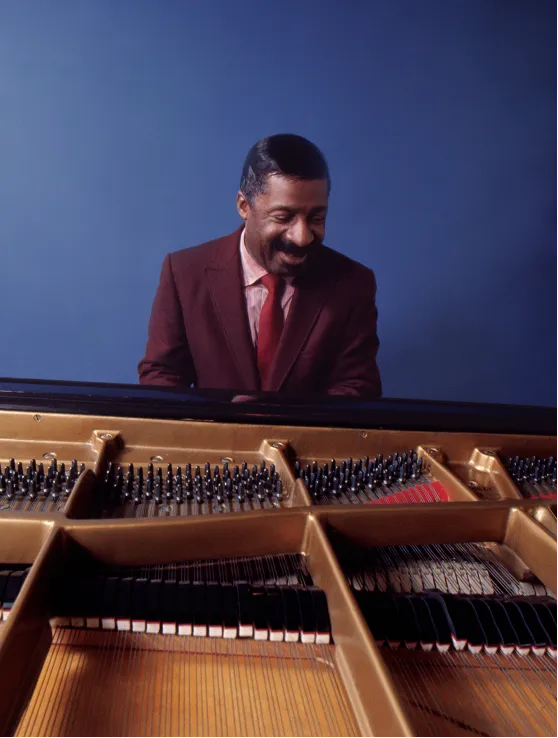
Erroll Garner was one of the most influential pianists in all of Jazz and popular music. An immensely talented improvisor and composer who was also a champion for artists' rights and one of the first Black artists to have his own record label.
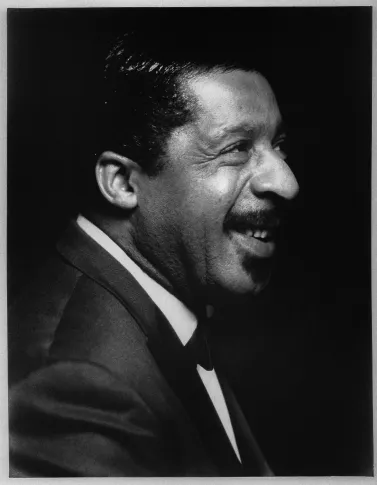
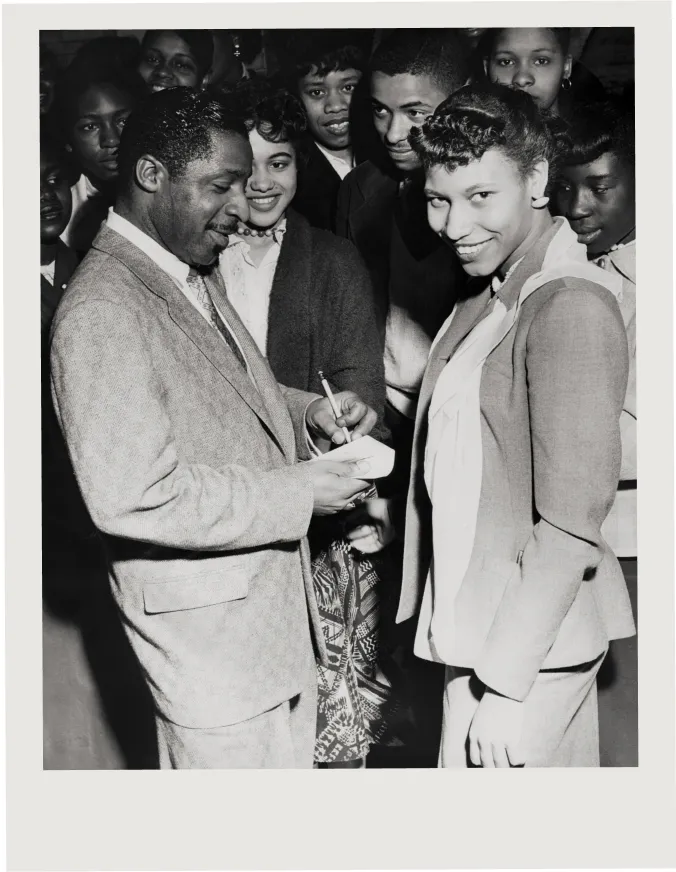
Blending rhythmic innovation with melodic genius, he created a piano style so distinctive and captivating that it transcended jazz, influencing musicians across genres for decades to come.
From New York's 52nd Street clubs to the world's premier concert halls, Garner shattered both racial barriers and box office records. His composition "Misty" became a global standard, while Concert by the Sea emerged as one of jazz's best-selling albums and secured his place as one of the most televised artists of his era.



1921-1939
A Prodigy Emerges
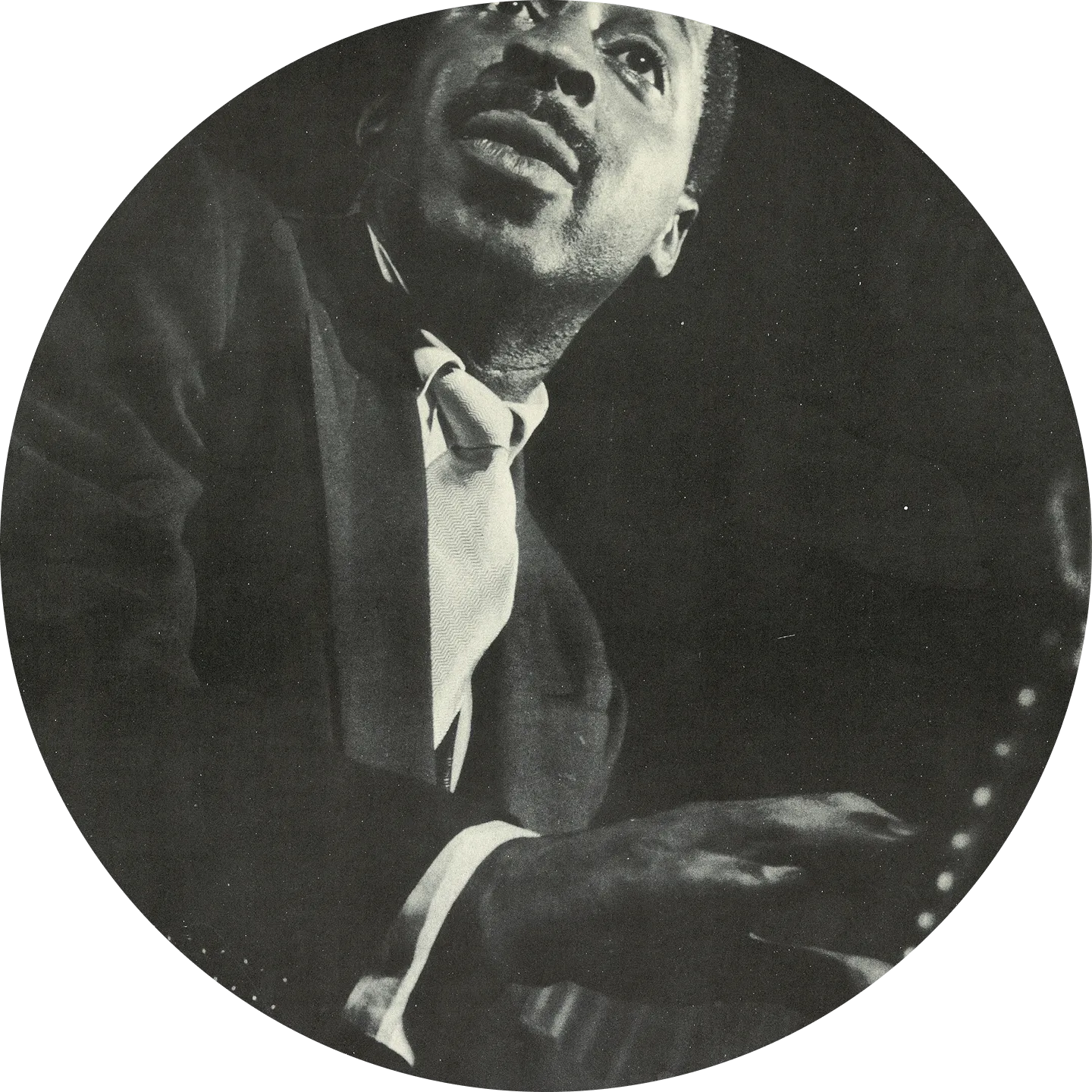
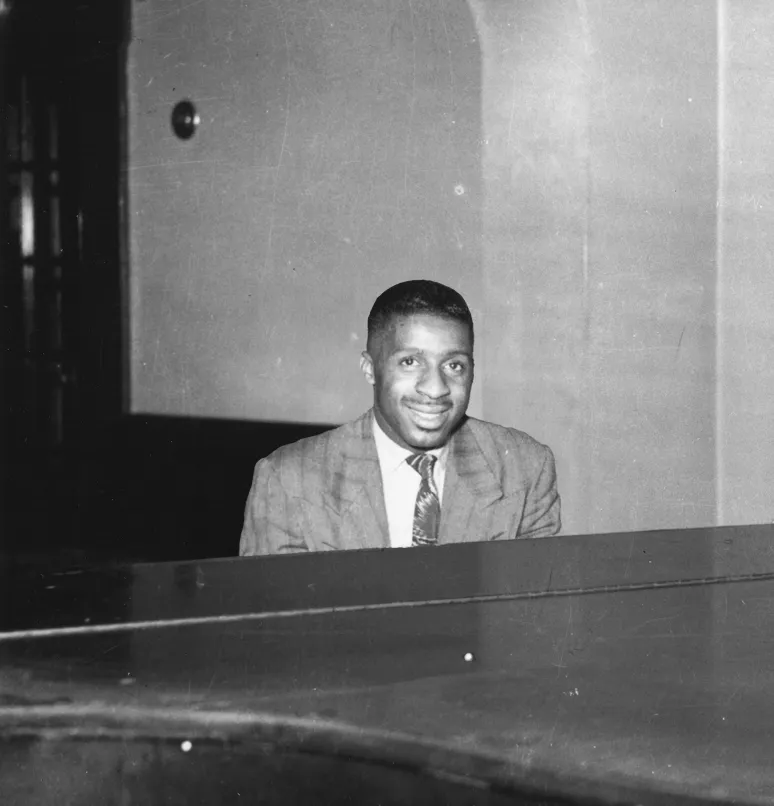
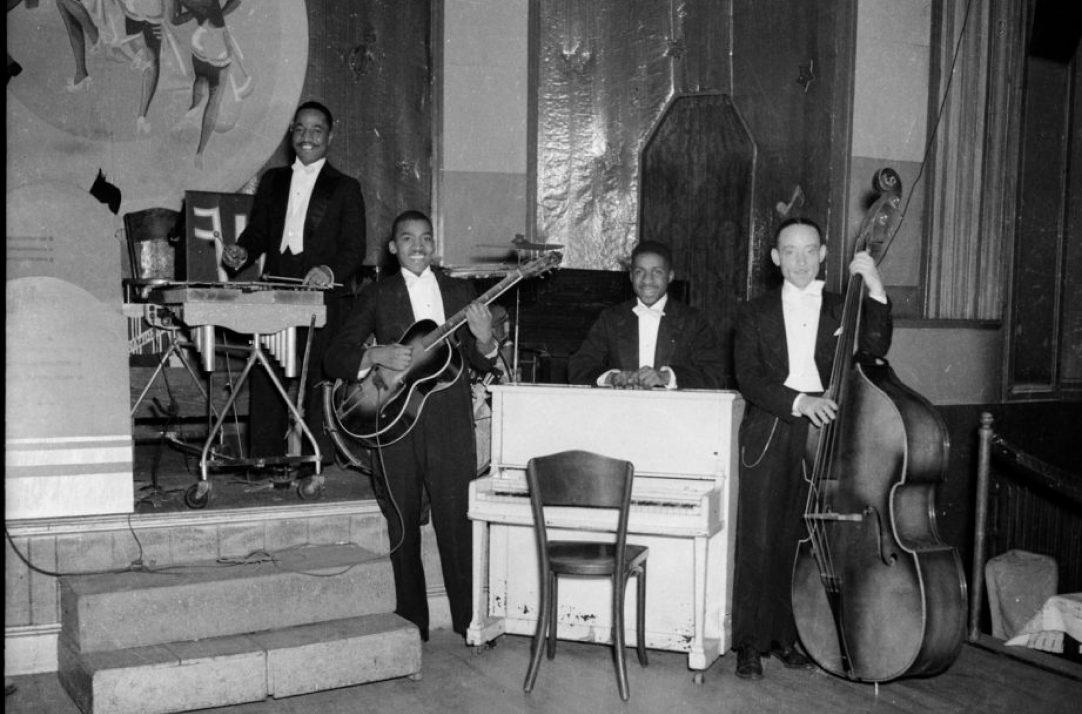
Born on June 15, 1921 in Pittsburgh's Hill District, Erroll Garner revealed his genius early. By age three, he was teaching himself piano by ear, flawlessly replicating his older siblings' lessons.
His extraordinary talent and mesmerizing performances thrust him into Pittsburgh's vibrant music scene. Drawing early inspiration from Jimmy Lunceford and Duke Ellington's big band arrangements, Garner developed a distinctive musical voice that was unmistakably his own.
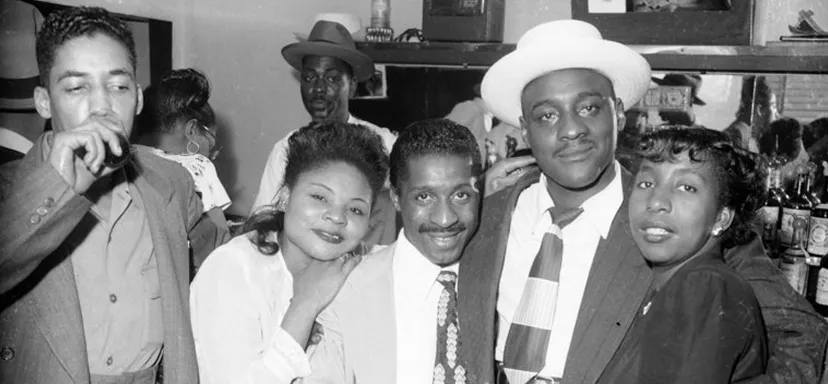
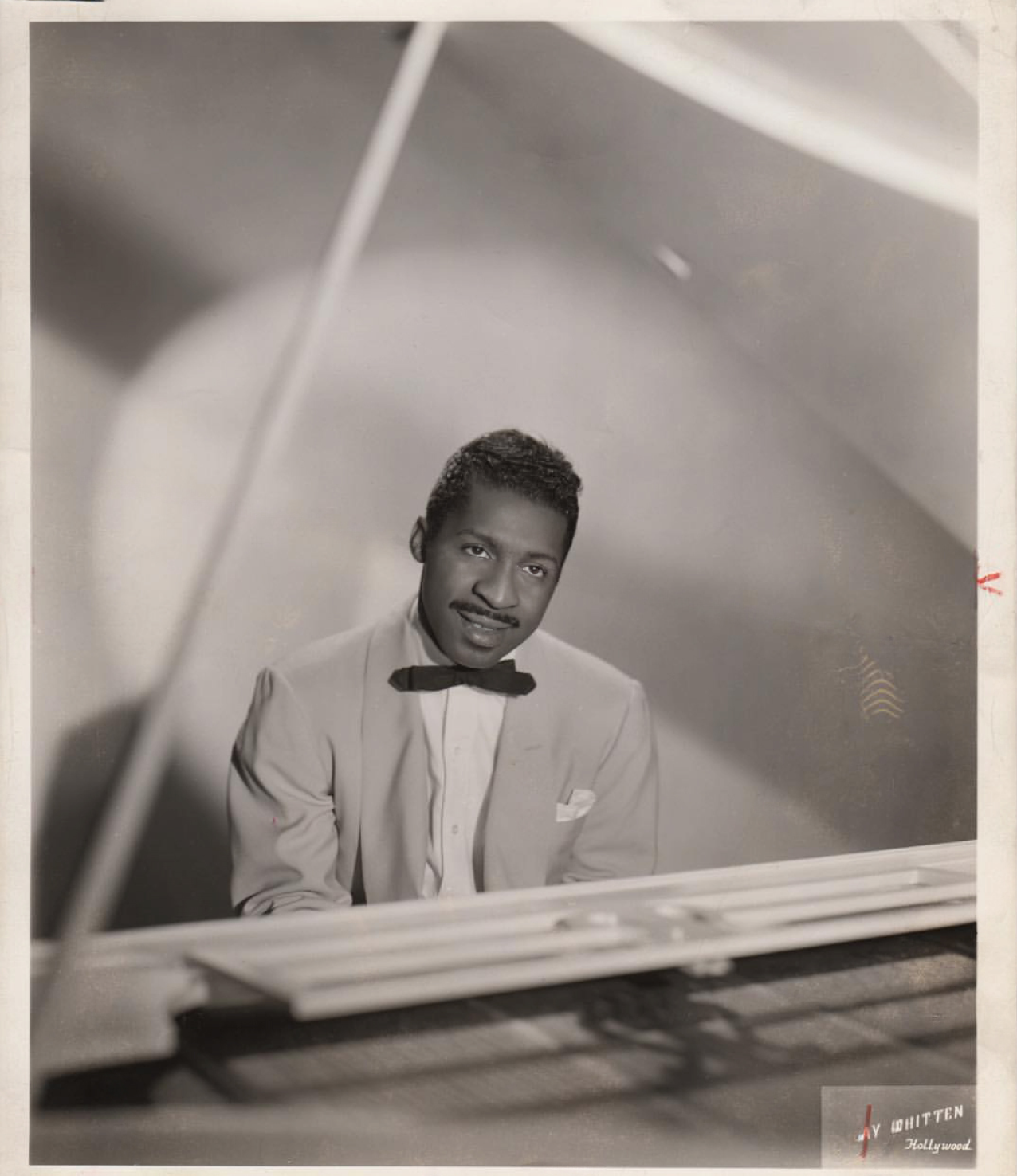
His legendary ability to recreate any piece after a single listen dazzled audiences in Pittsburgh's movie houses and riverboat clubs. This gift became just one facet of his distinctive approach to piano, where he combined this flawless melodic recall with his innovative rhythmic style to make even the most familiar standards sound fresh and surprising.
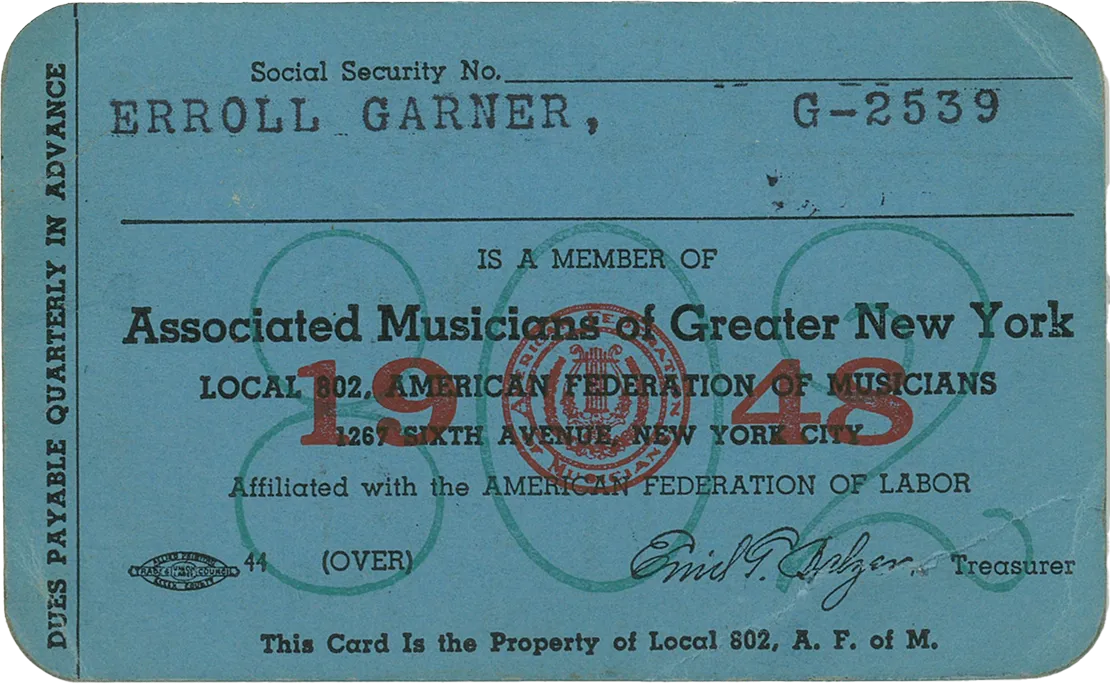
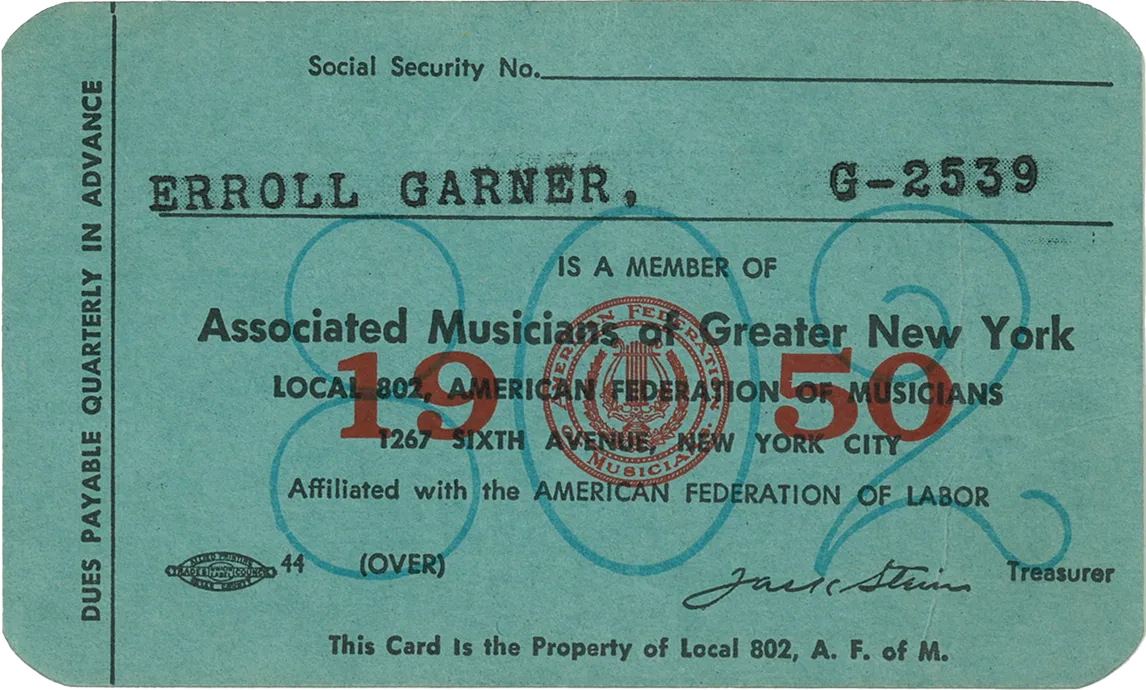
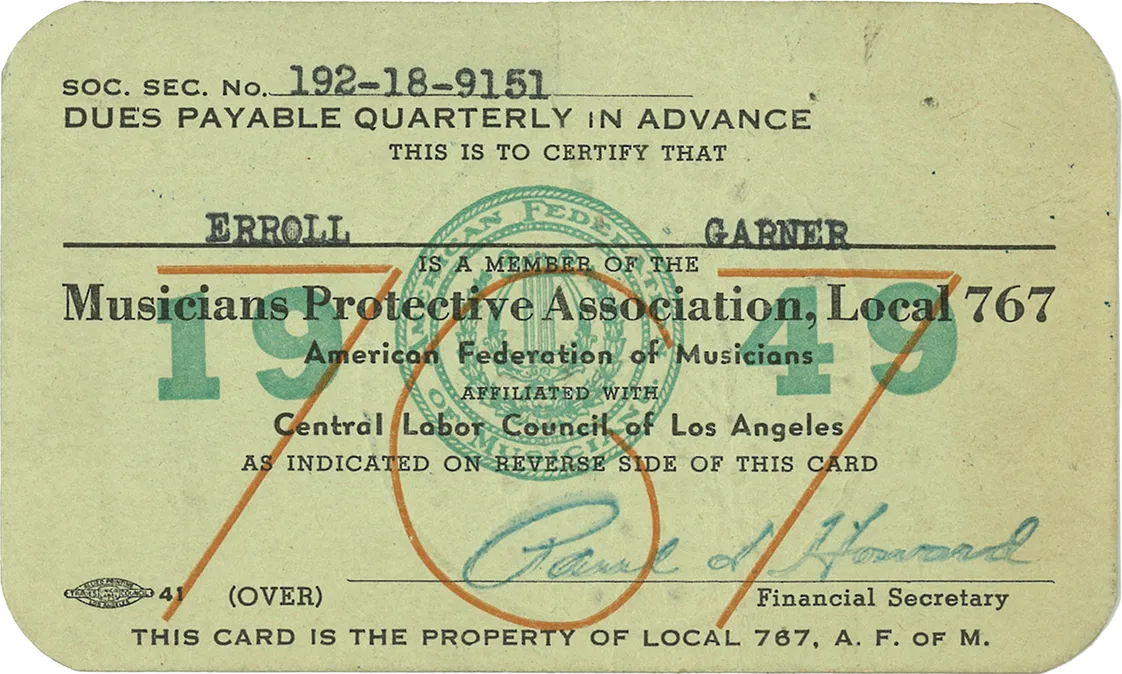
But despite his ability Garner was denied entrance into the musician’s union because of his refusal to adopt western classical notation. But this would not slow down Erroll Garner for long.
.jpg)
1940-1949
Sideman to Star
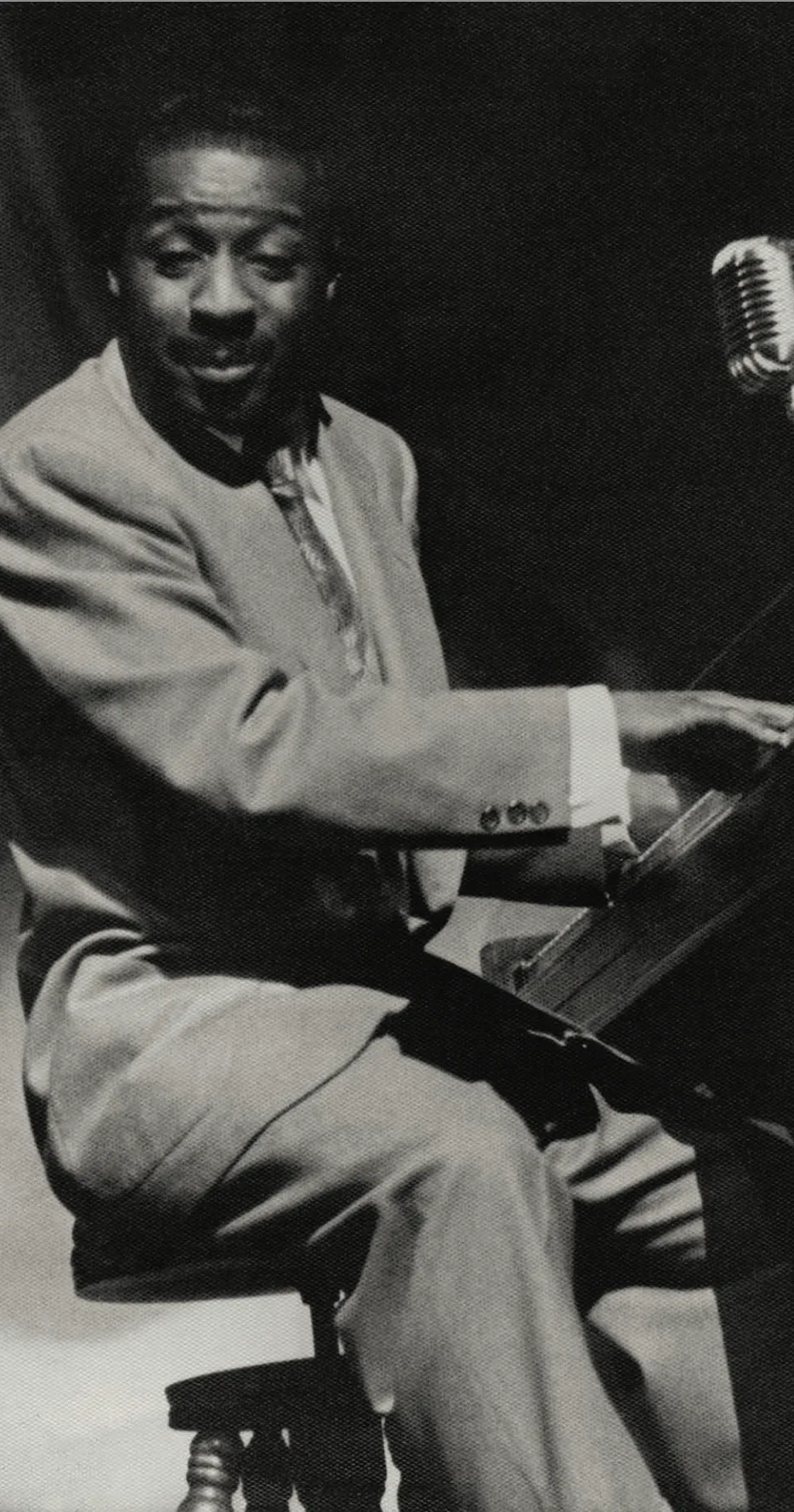
In summer 1944, Erroll Garner left Pittsburgh for New York City, where his distinctive piano style would soon catch the attention of the wider jazz world.
.webp)

He immersed himself in the vibrant musical scenes of Harlem and 52nd Street, frequenting clubs and collaborating with renowned musicians. He developed a unique style that embraced elements of swing, bebop, and classical music, creating a signature sound that set him apart from his contemporaries.
.jpg)

In 1946, Garner moved to Los Angeles, where he quickly made his mark with a hit recording of "Laura", performances with Norman Granz's Jazz at the Philharmonic, and a pivotal collaboration with Charlie Parker.
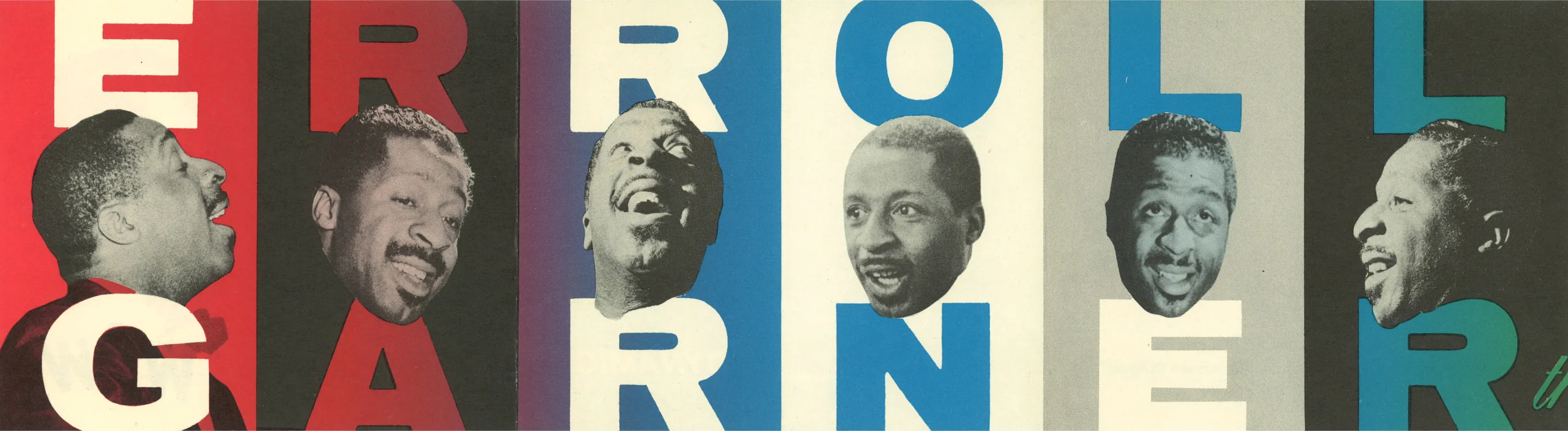
When Garner returned to New York in 1949, he was a full-fledged star. Fresh from his Paris Jazz Festival debut and crowned best pianist by DownBeat, the 28-year-old was now headlining the Apollo Theater while Newsweek hailed him as "the man for whom the piano was invented."
.png)
1950-1959
A Crossover Icon
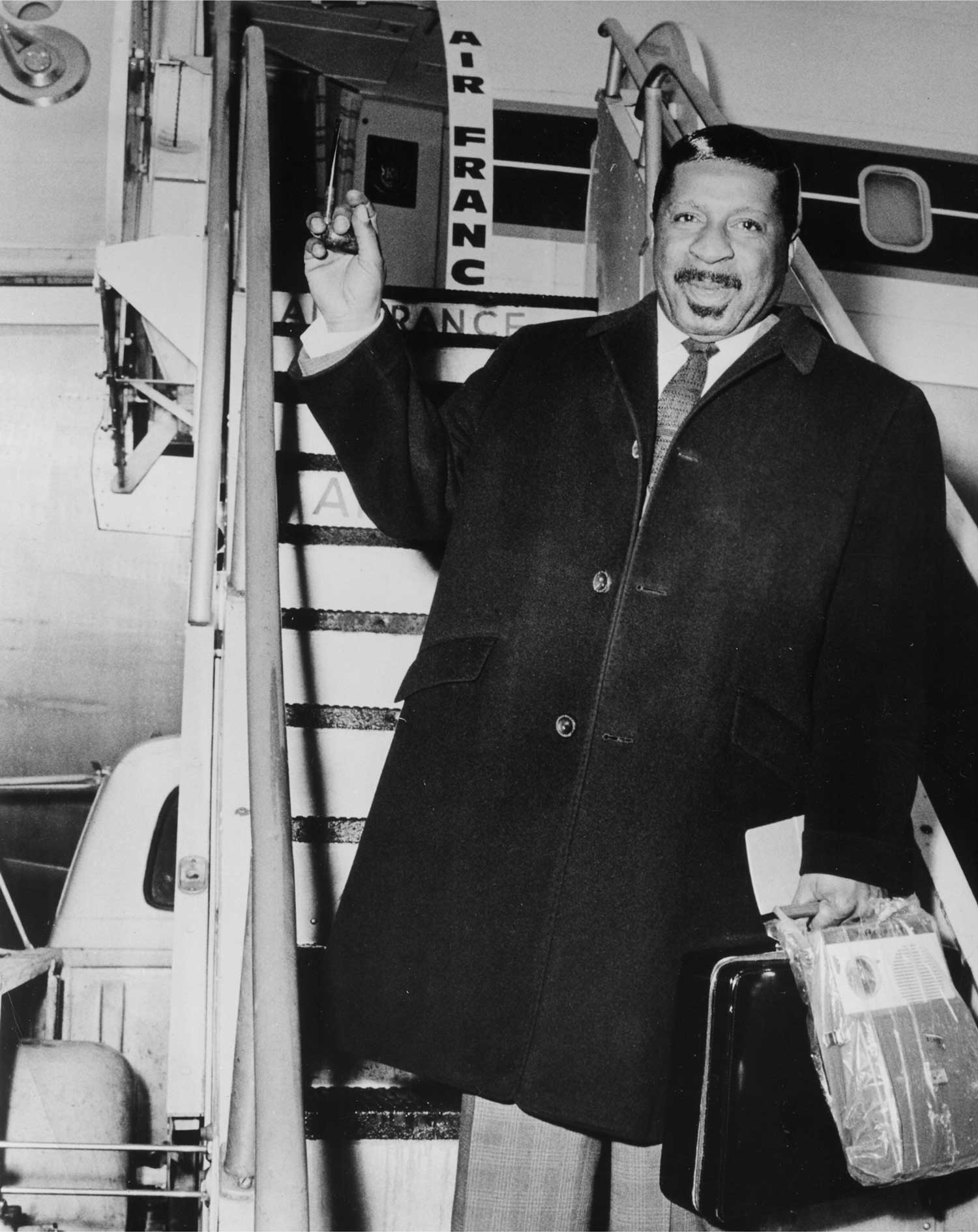
Garner continued to gain international popularity in the early 1950’s through more record releases and relentless touring. It soon became clear that his appeal transcended traditional jazz boundaries.
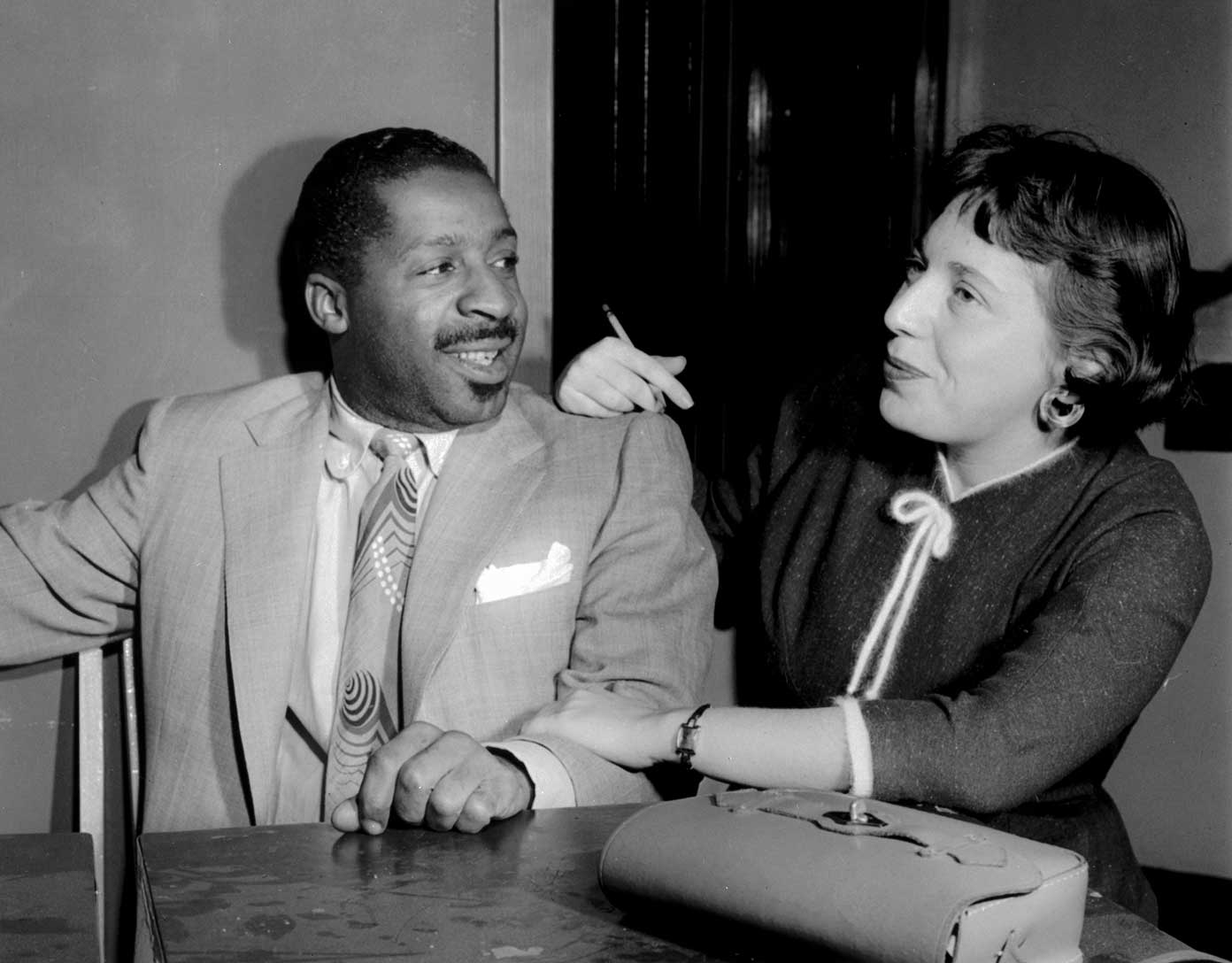
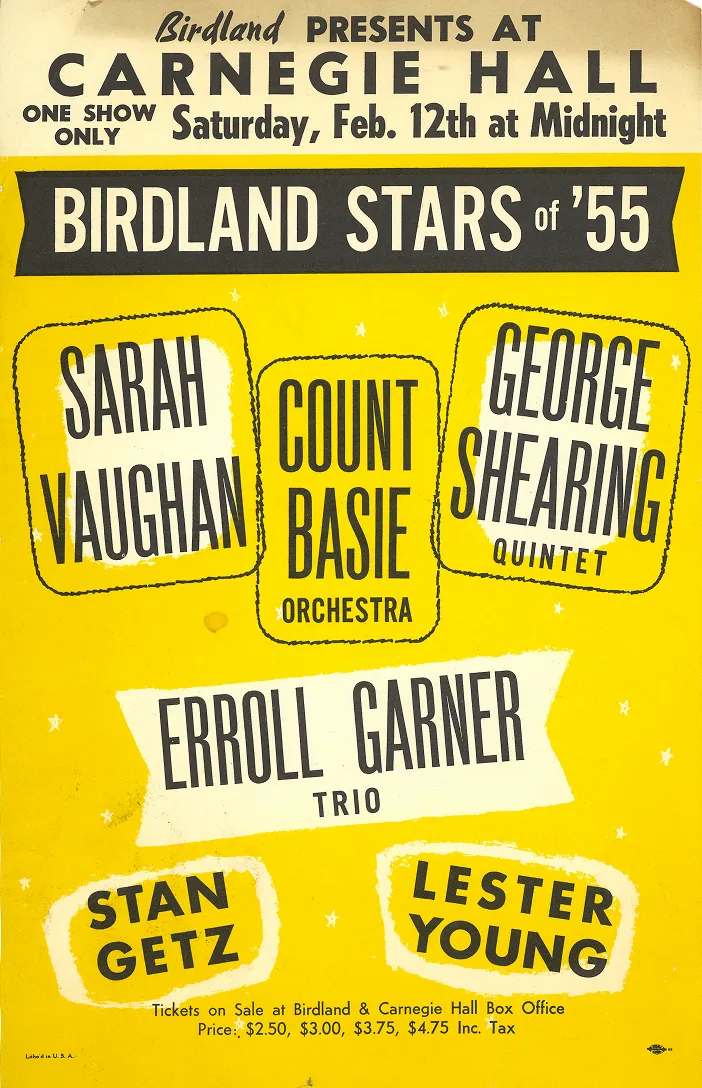
A new manager, Martha Glaser helped him bring his artistry to both prestigious concert halls and television screens, captivating audiences with his unique style. Garner & Glaser established a strict booking policy: no segregated venues. They also fought for better working conditions for artists, forever changing the music industry in ways that echo through to today.

In July 1954, during a Mercury session in Chicago, Garner created "Misty" in a single inspired take. The composition would become a global phenomenon, recorded by hundreds of artists and earning its place among the most beloved standards in history.
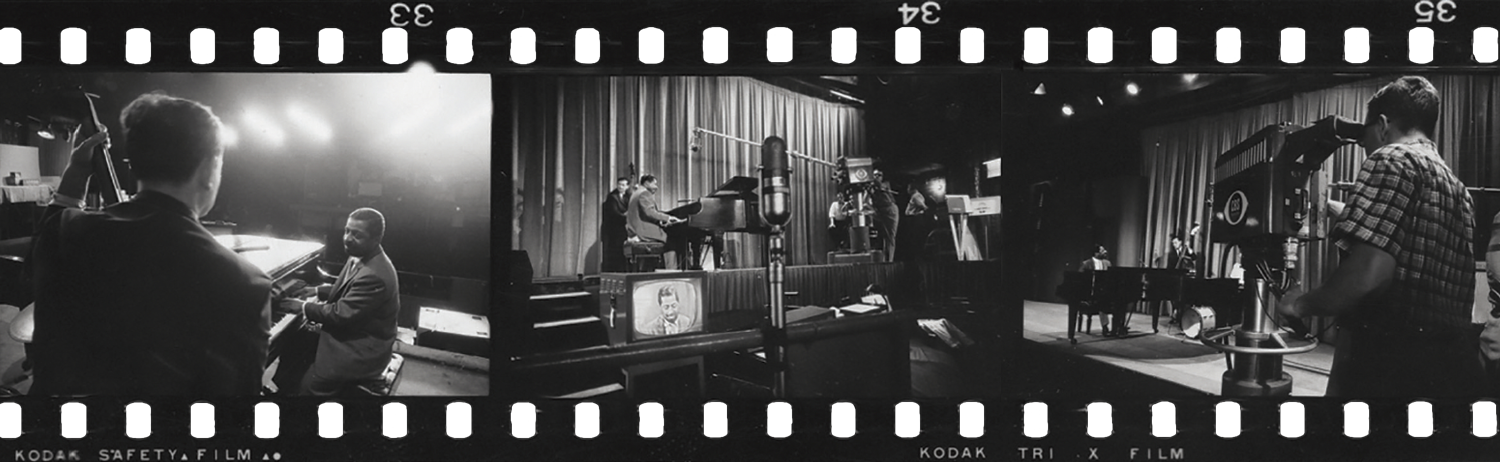
His 1956 live album Concert By The Sea captured a magical night in Carmel, California, becoming Columbia Records' first jazz release to earn over a million in sales and setting a new standard for live recordings.
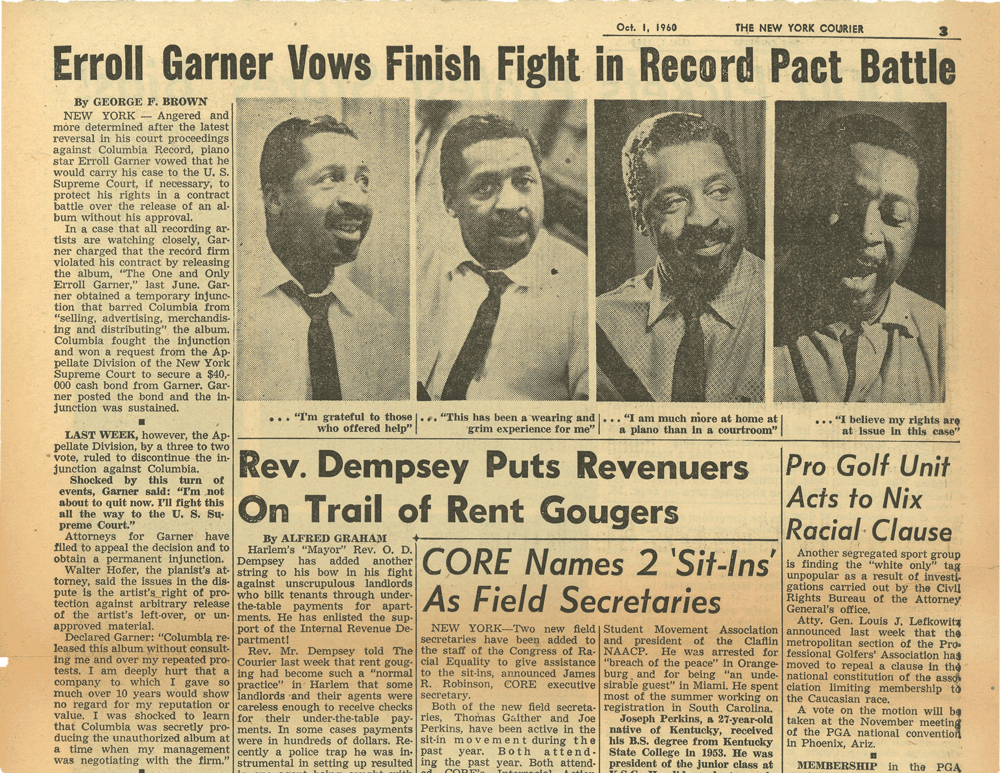
The success was soon overshadowed by conflict when Garner discovered Columbia was releasing his music through their discount record club without his consent. His unprecedented lawsuit against the industry giant challenged long-standing exploitative practices and became a watershed moment for artists' rights.

.jpg)
1960-1969
The Liberation of Erroll Garner
After his landmark victory over Columbia Records, Garner emerged as a pioneer of artists' rights, inspiring countless musicians to defend their creative autonomy.
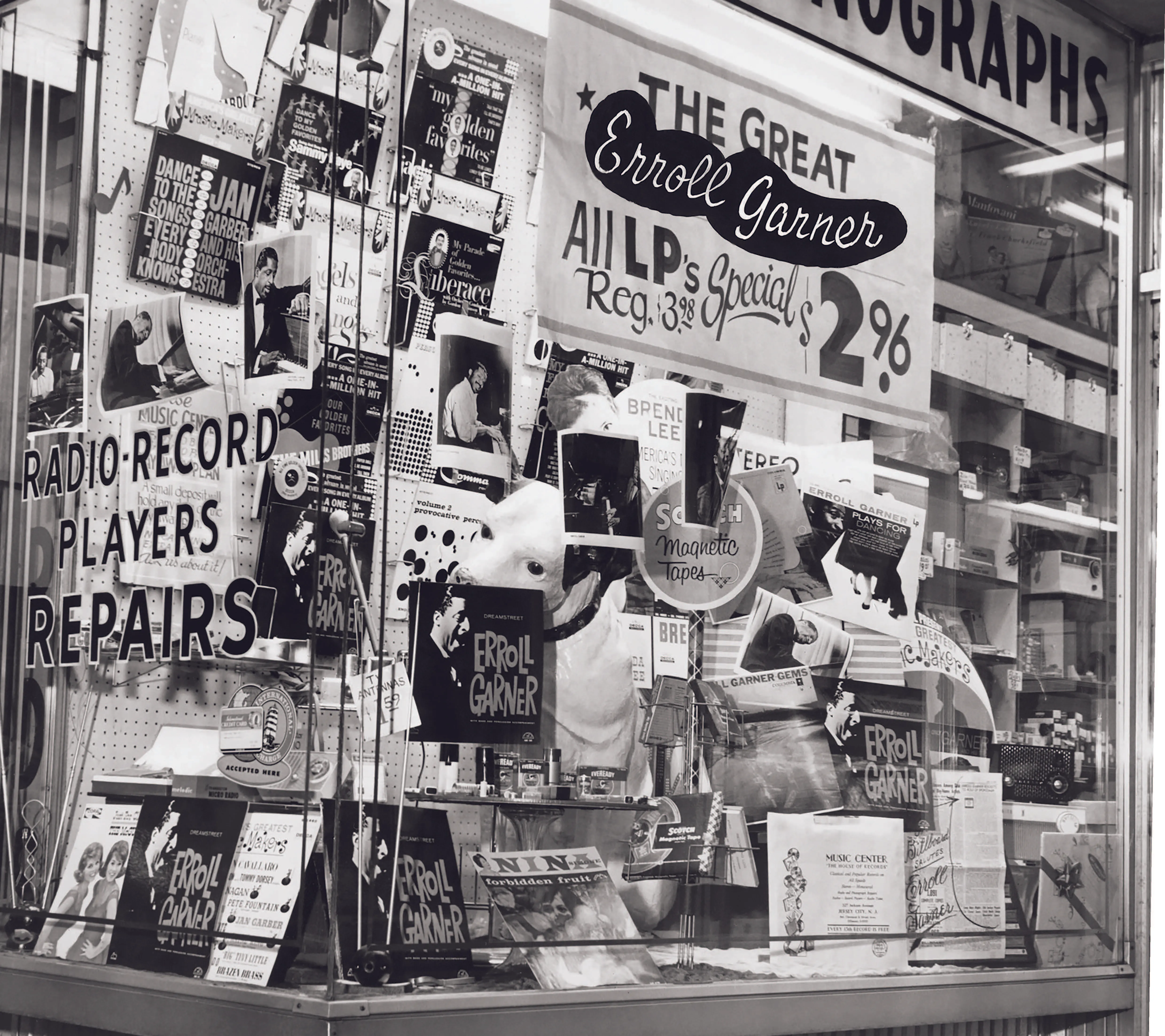
The founding of Octave Records in 1960 gave him complete control over his music, establishing a revolutionary business model where he retained ownership while partnering with major labels for distribution.
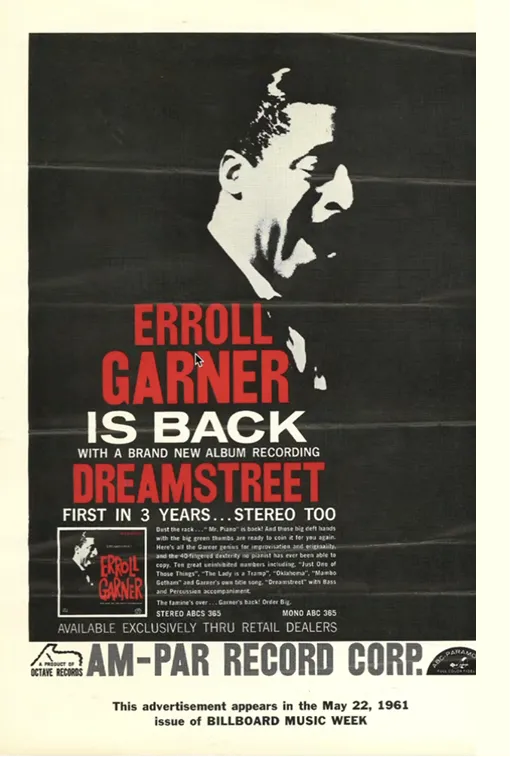
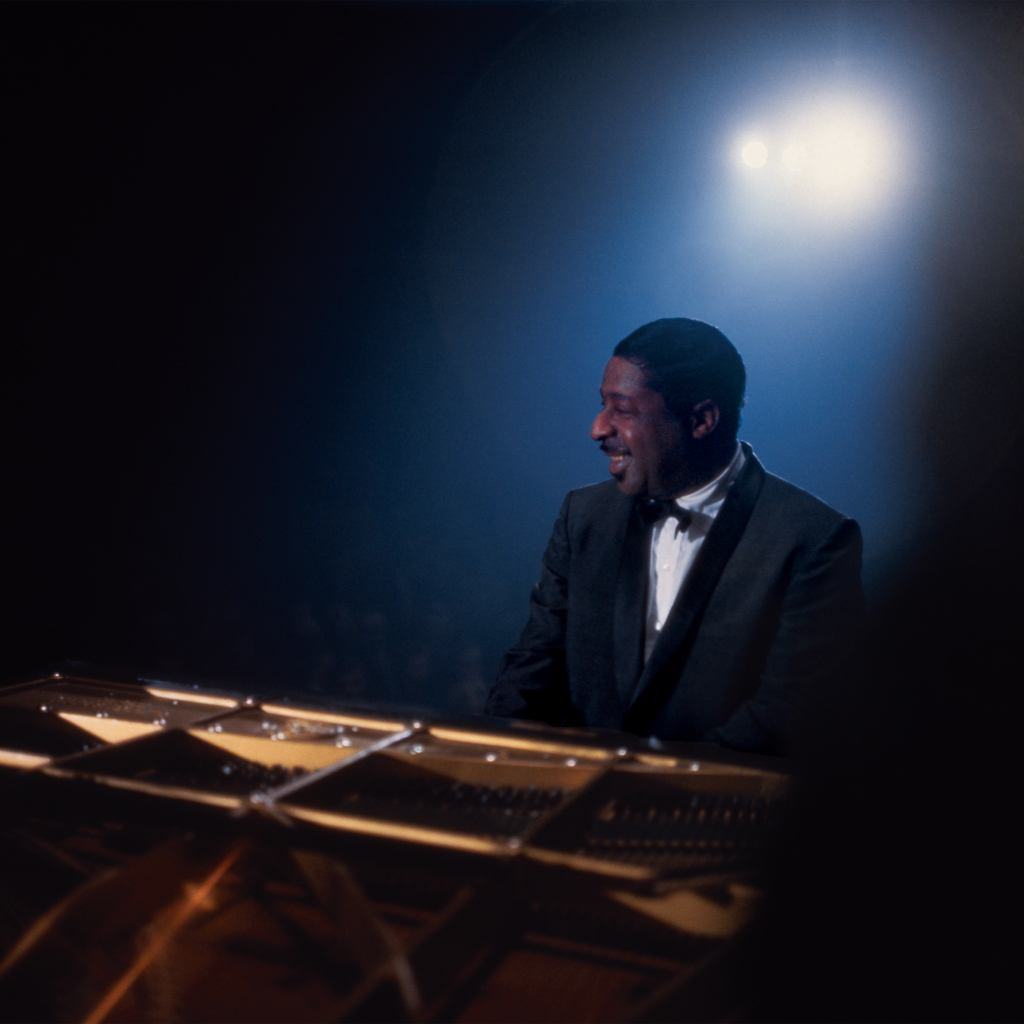
Over the next fifteen years, Garner and Glaser used this independent platform to release twelve albums, starting with the Grammy-nominated Dreamstreet in 1961 and cementing his legacy as both an artistic and business innovator.

1970-1977
A Boundless Legacy
In the 1970s, Garner continued to evolve artistically, releasing three acclaimed studio albums that showcased different ensembles and highlighted his growing focus on original compositions.
.png)
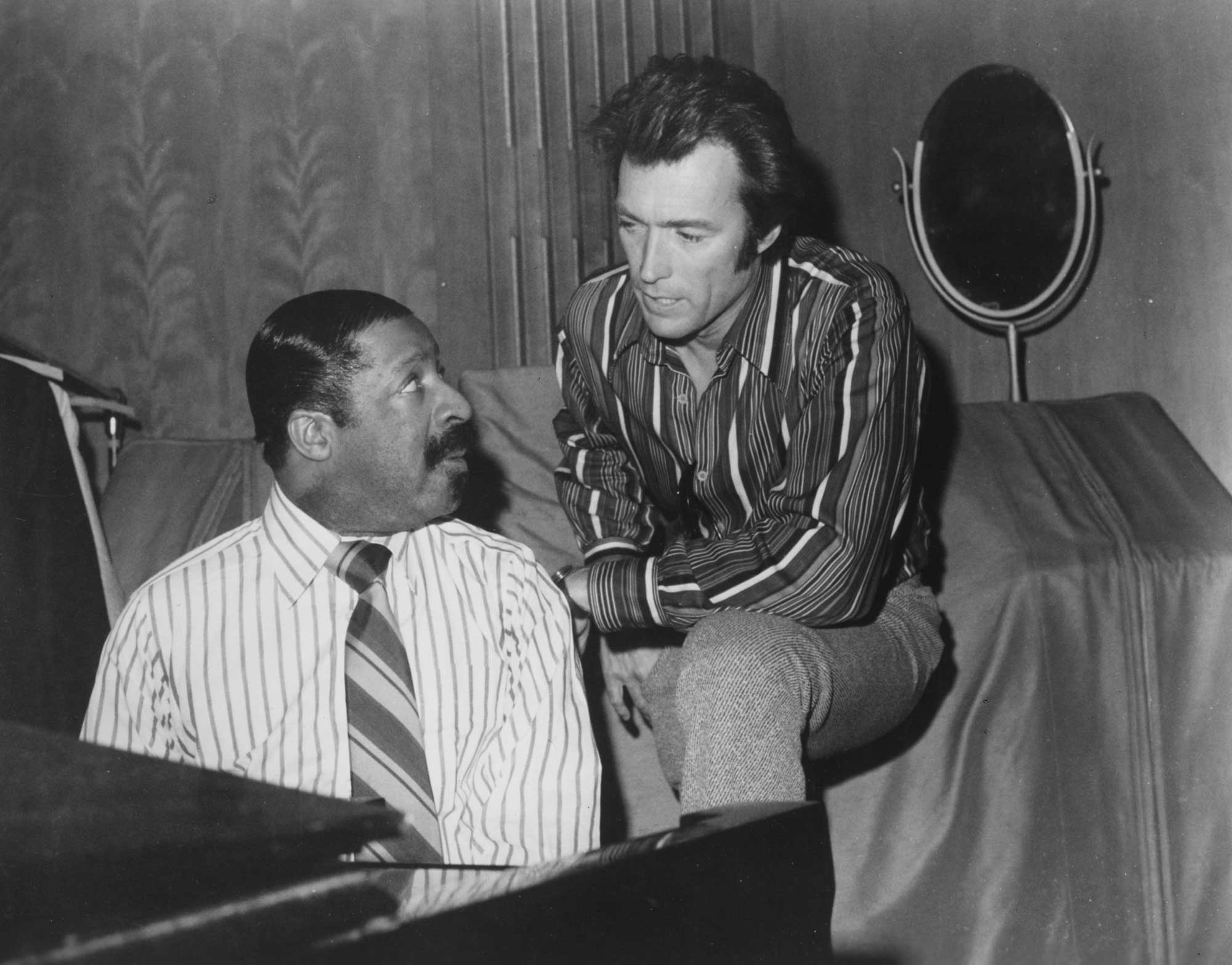
His signature composition "Misty" reached new heights through Clint Eastwood's 1971 directorial debut "Play Misty For Me," introducing Garner's genius to millions of moviegoers worldwide. After releasing Magician in 1974, Garner's health began to decline, yet his passion for music burned as bright as ever, even as he battled illness.
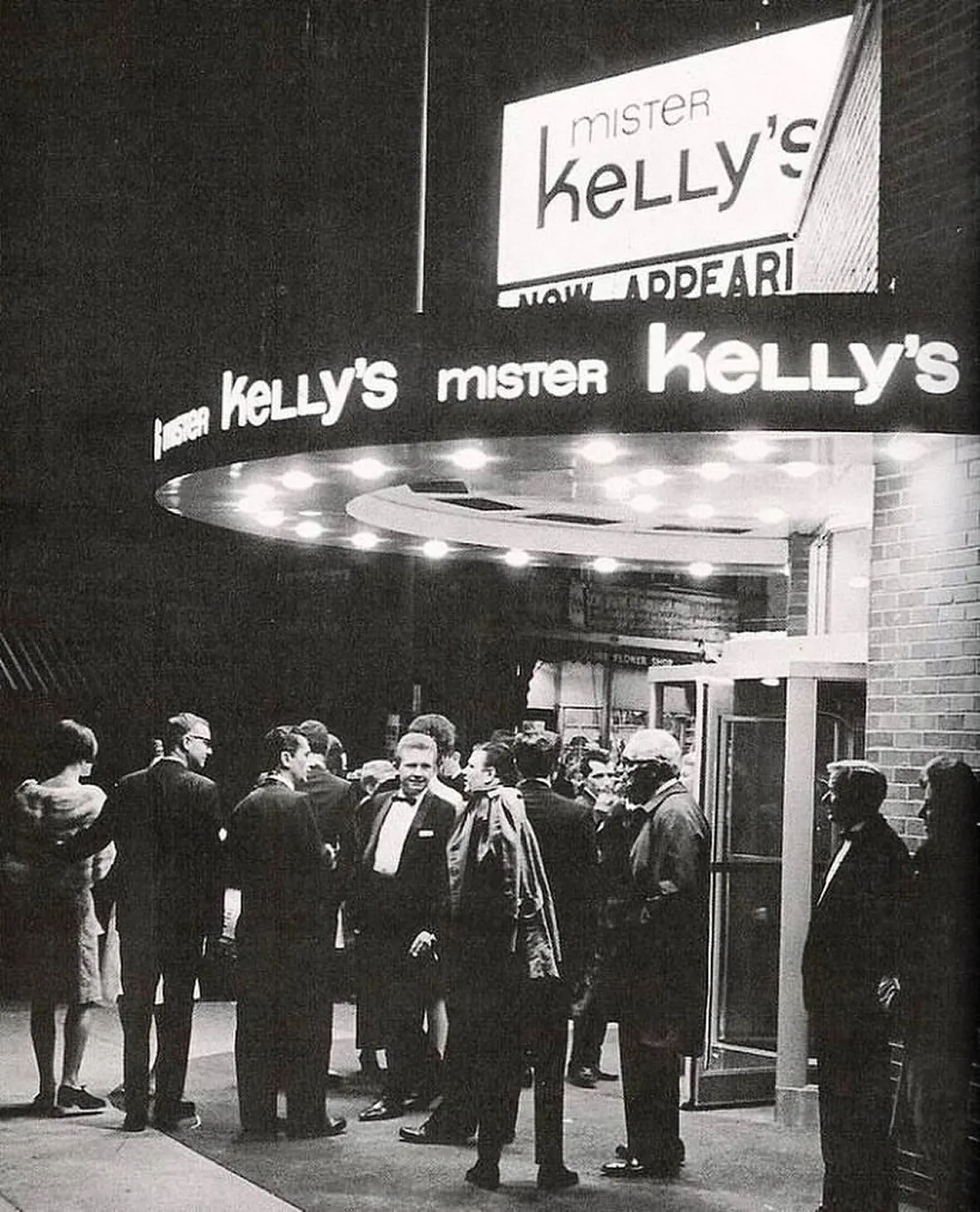
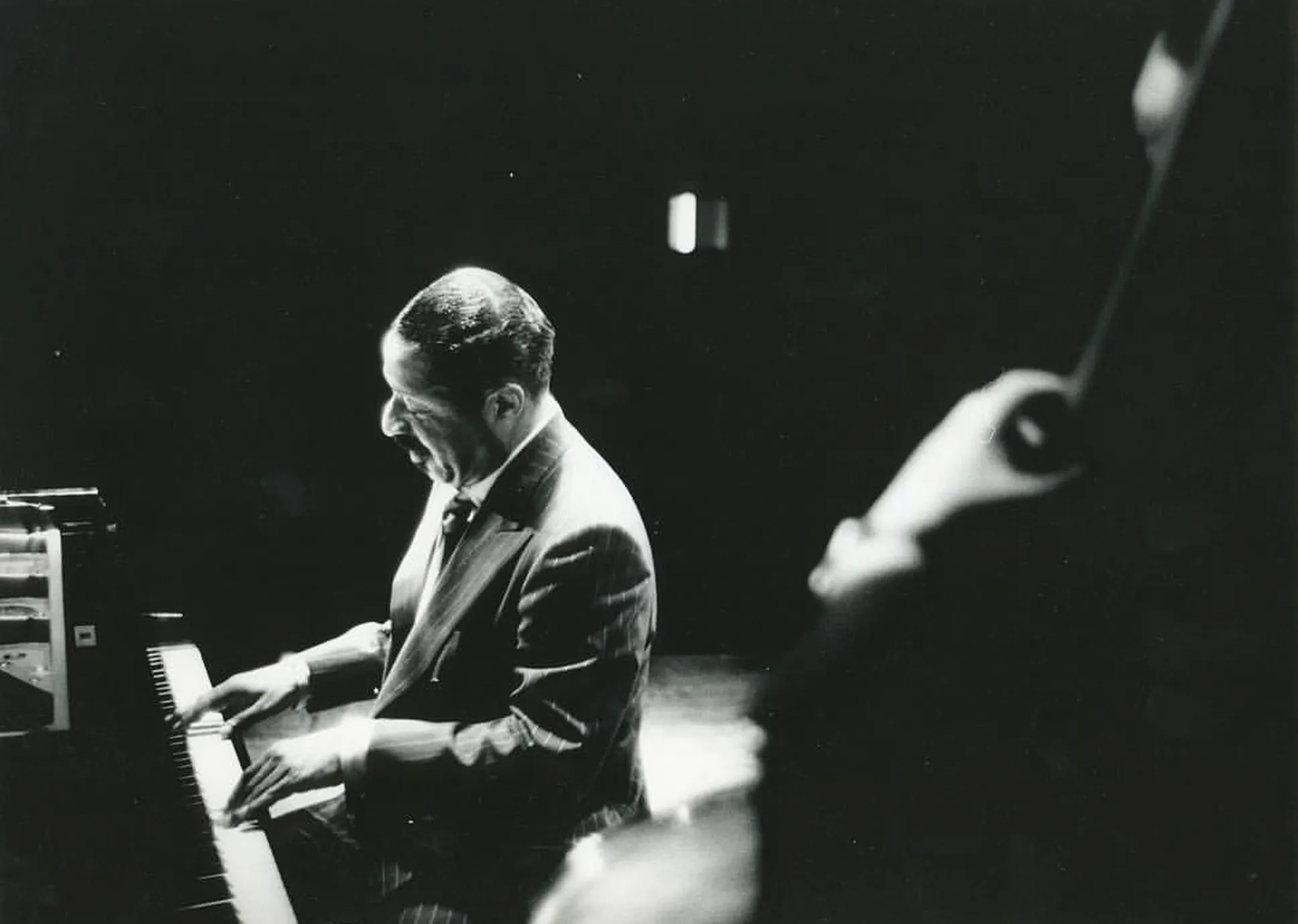
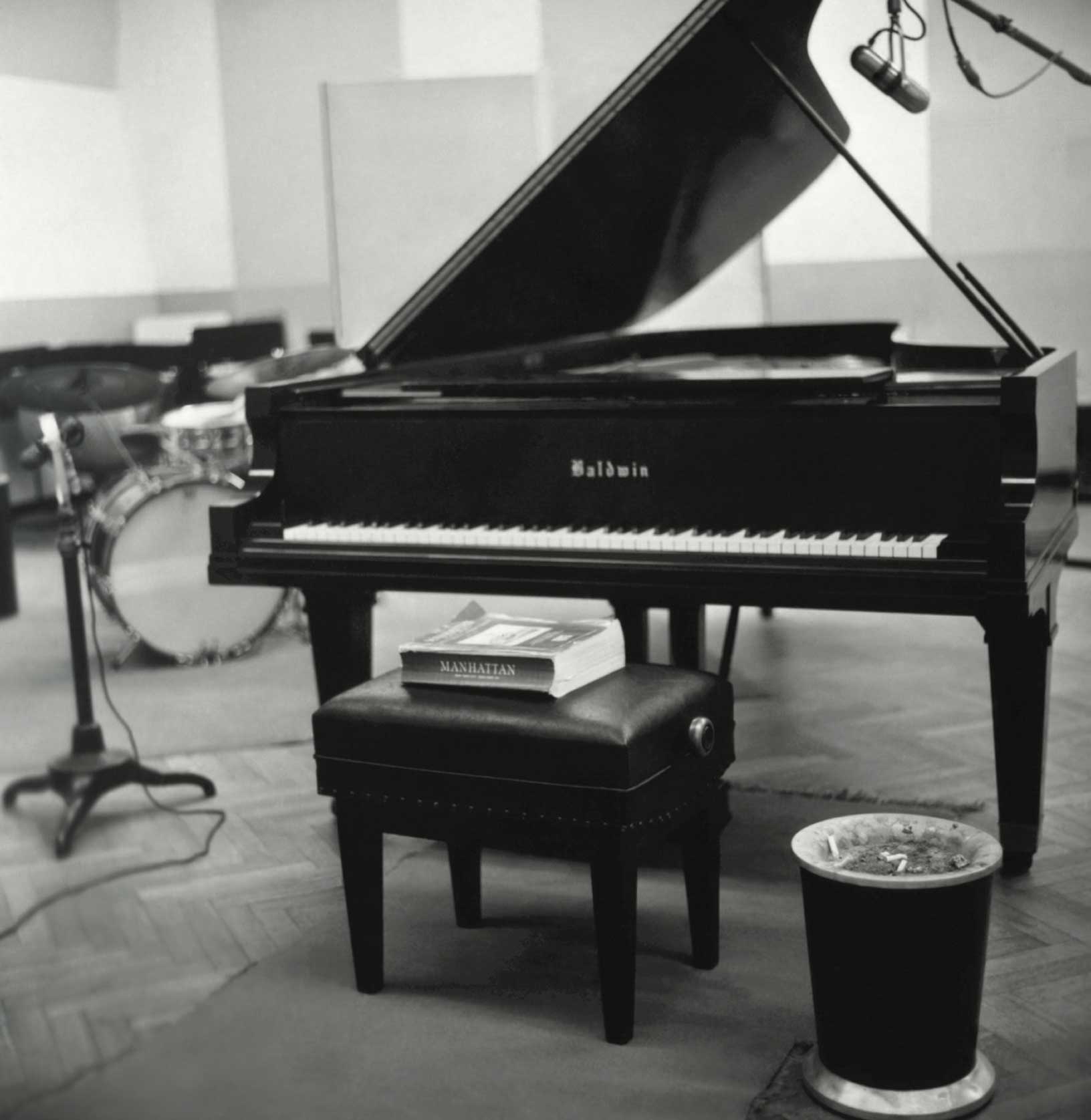
His final public appearance came on February 20, 1975, at Chicago's Mr. Kelly's, where he delivered one last masterful performance. After nearly two years of health struggles, at age 55, he succumbed to lung cancer on January 2, 1977.
News of his passing resonated across global airwaves as the music world mourned an irreplaceable artist who had forever changed the language of music.
