


Erroll Garner
Nightconcert
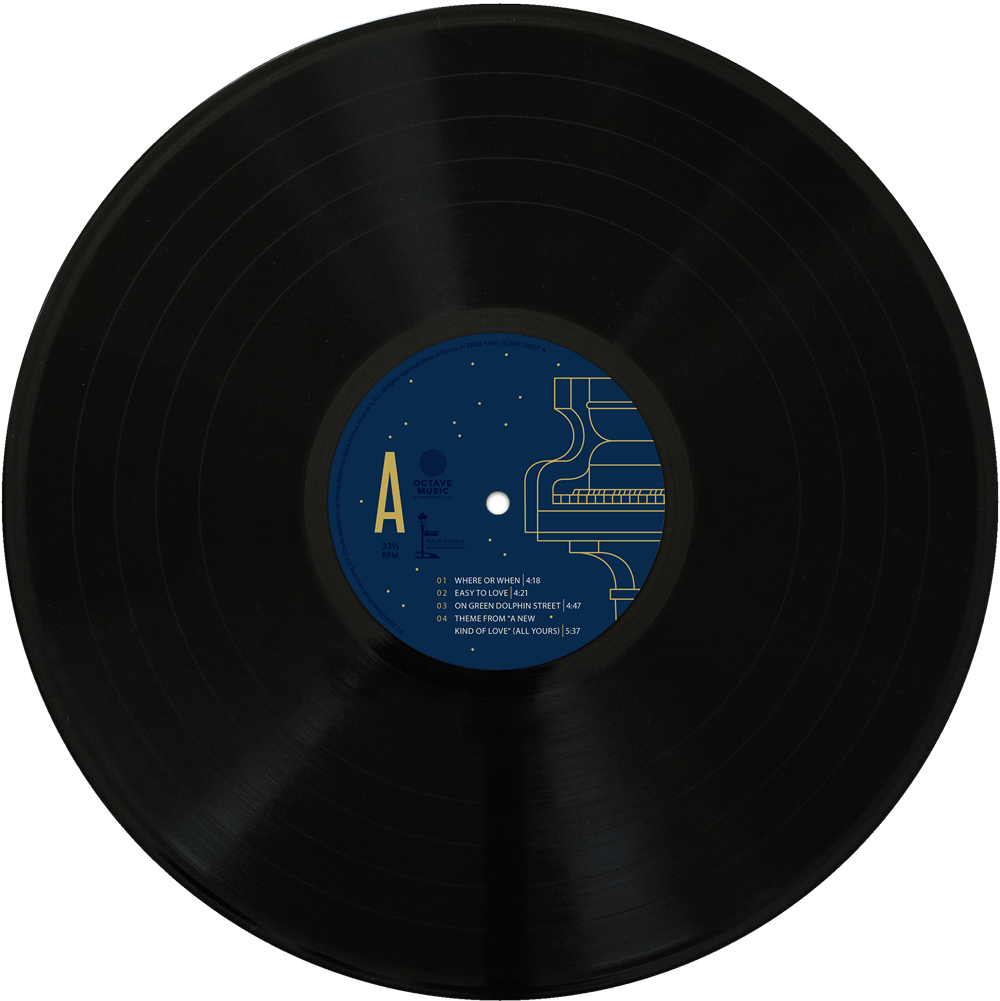
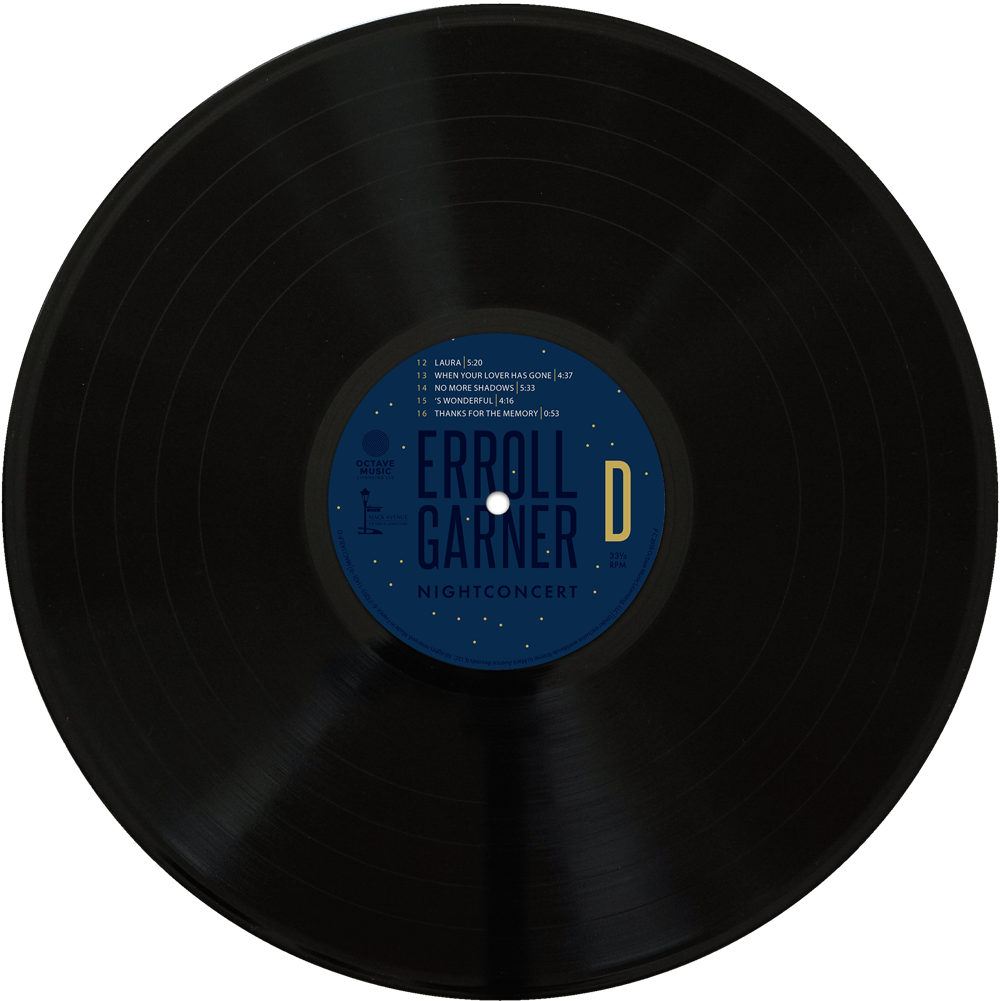
This recording of pianist Erroll Garner and his trio (Eddie Calhoun on bass and Kelly Martin on drums) was captured live at Concertgebouw on November 7, 1964. The material was mixed and mastered from new transfers of the original 3-track analog tapes found in Garner’s personal archive. We are delighted to be working with the same team of engineers who helped bring 2016’s Ready Take One to life. These songs have never been released in the United States on any format.


Buy the Album
This is the album in its truest form. Buy once, listen deeply, and support the work behind the sound.




About the Album
Credits
Piano Erroll Garner Bass Eddie Calhoun Drums Kelly Martin Recorded November 7, 1964 at The Royal Concertgebouw, Amsterdam Senior producer Peter Lockhart producer Steve Rosenthal, Christian Sands Original Recording Producer Fred Burkhardt Original Recording Engineer Jos Dittmars, Frans Naber, Roddy De Hilster Analog Tape Transfers The Magic Shop (NYC) Transfer Engineers Doug Bleek, Michael Mercurio Mixed at Studio E (Brooklyn, NY) Mixing Engineers Kabir Hermon, Peter Lockhart, Steve Rosenthal Mastered at Battery Mastering Studios (NYC) Mastering Engineers Vic Anesini Photography Nico Van Der Stam, Maria Austria Instituut Art Direction & Design Peter Lockhart, White Bicycle
Piano Erroll Garner Bass Eddie Calhoun Drums Kelly Martin Recorded November 7, 1964 at The Royal Concertgebouw, Amsterdam Senior producer Peter Lockhart producer Steve Rosenthal, Christian Sands Original Recording Producer Fred Burkhardt Original Recording Engineer Jos Dittmars, Frans Naber, Roddy De Hilster Analog Tape Transfers The Magic Shop (NYC) Transfer Engineers Doug Bleek, Michael Mercurio Mixed at Studio E (Brooklyn, NY) Mixing Engineers Kabir Hermon, Peter Lockhart, Steve Rosenthal Mastered at Battery Mastering Studios (NYC) Mastering Engineers Vic Anesini Photography Nico Van Der Stam, Maria Austria Instituut Art Direction & Design Peter Lockhart, White Bicycle
Liner Notes
Amsterdam, The Royal Concertgebouw, November 7, 1964. The band hit just before midnight on a Saturday night. When Erroll Garner performed a gospel-inflected rendition of Rodgers and Hart’s Where Or When, with quotations from Down By The Riverside, he reminded the nearly 2,000 people crammed into the hall that they were swinging into Sunday morning. Aware that Philips Records, their European sponsor, had planned to record that night, the trio stepped on the stage and rocked the 76-year-old concert hall like there was no tomorrow.
The audience expected no less from Garner. He had been performing with this trio for almost a decade. Eddie Calhoun and Kelly Martin were arguably Garner’s best rhythm section, and yet they never rehearsed. Ever. Martin vividly recalls asking his bandmate about the set list on his first night. “Man, I can’t tell you nothing,” Calhoun replied, “we just get up there and play! I don’t know what this cat is going to do.”
Eddie Calhoun was born in Mississippi and raised in Chicago, where he became one of the city’s outstanding bassists. He worked with everyone, from Johnny Griffin, Junior Mance and Eddie “Cleanhead” Vinson, to Ahmad Jamal and Horace Henderson. But his dream job was always to play with Garner. “I had been waiting for him all my life,” he once said. His dream came true in 1955, just in time to participate in the historic Concert By The Sea recording. In order to keep up with Garner’s unorthodox style, Calhoun had to “adapt a lot of techniques that he used, like color and phrasing.”
Kelly Martin joined Garner in 1956, replacing Denzil Best on drums. Like Calhoun, Martin was a Southerner; he left South Carolina for Detroit in 1931, and became one of the Motor City’s most versatile drummers. He toured with Erskine Hawkins and Jimmie Lunceford during the 1940s, performed with R&B singers such as Wynonie Harris, Bull Moose Jackson, Dosie Terry, and Ruth Brown, and eventually made his way to New York’s 52nd Street, where he backed Ben Webster, Roy Eldridge, Teddy Wilson, and others.
Garner’s trio was riding the crest of one of its most successful concert tours to date. They had just completed a month-long stay in the U.K., where they played about a dozen sold-out concerts, including a televised performance at the London Palladium. Amsterdam was the beginning of the tour’s second leg, which took Garner to Scandinavia for the first time. In early 1964, Mercury released two Garner LPs to critical acclaim: One World Concert and A New Kind of Love. The latter was part of an original score for the Oscar-nominated film. That night in Amsterdam, everyone was happy, especially Garner. After the show he telegrammed his long-time manager, Martha Glaser, “WONDERFUL SHOW WON’T KNOW UNTIL I HEAR THE TAPES.” As we now know, he was right.
In letters to Garner, Glaser expressed an urgent need to put out an Amsterdam concert album because, in her view, while he was “hot” in Europe he was fading at home. Philips
released an LP with eight cuts from the Amsterdam concert to an exclusively European market about a year later. But Octave Records, which Garner owned in part, never issued the album for the U.S. market. Weren’t U.S. audiences waiting for the follow-up to his two highly touted 1964 LPs?
Garner’s by-then-resolved legal battle with Columbia Records may have dampened
record sales, though the critical accolades [and sales?] that greeted One World Concert and *A New Kind of Love* tell a slightly different story. Strangely, reviewers virtually ignored Amsterdam Concert. Perhaps the silence of the European critics killed the viability of a U.S. release?
Whatever the reasons, we can now benefit from what is arguably one of the most
spectacular concert recordings of Garner’s career. The producers of these extraordinary discs both included previously unreleased tracks, and have also restored Garner’s original introductions. Anyone familiar with Garner’s music knows that his signature introductions left audiences—not to mention his own sidemen—in great anticipation of what was to come. As you will hear, he was prone to meandering, rubato introductions that initially bear little resemblance to the song or the key, before suddenly leaping into the melody.
Listening to these recordings, one can sense the crowd’s excitement with each number. Midnight rolls around and everyone is wide awake, nodding, weaving, swaying to the music. It’s Sunday morning and no one is ready to go home.
Amsterdam, The Royal Concertgebouw, November 7, 1964. The band hit just before midnight on a Saturday night. When Erroll Garner performed a gospel-inflected rendition of Rodgers and Hart’s Where Or When, with quotations from Down By The Riverside, he reminded the nearly 2,000 people crammed into the hall that they were swinging into Sunday morning. Aware that Philips Records, their European sponsor, had planned to record that night, the trio stepped on the stage and rocked the 76-year-old concert hall like there was no tomorrow.
The audience expected no less from Garner. He had been performing with this trio for almost a decade. Eddie Calhoun and Kelly Martin were arguably Garner’s best rhythm section, and yet they never rehearsed. Ever. Martin vividly recalls asking his bandmate about the set list on his first night. “Man, I can’t tell you nothing,” Calhoun replied, “we just get up there and play! I don’t know what this cat is going to do.”
Eddie Calhoun was born in Mississippi and raised in Chicago, where he became one of the city’s outstanding bassists. He worked with everyone, from Johnny Griffin, Junior Mance and Eddie “Cleanhead” Vinson, to Ahmad Jamal and Horace Henderson. But his dream job was always to play with Garner. “I had been waiting for him all my life,” he once said. His dream came true in 1955, just in time to participate in the historic Concert By The Sea recording. In order to keep up with Garner’s unorthodox style, Calhoun had to “adapt a lot of techniques that he used, like color and phrasing.”
Kelly Martin joined Garner in 1956, replacing Denzil Best on drums. Like Calhoun, Martin was a Southerner; he left South Carolina for Detroit in 1931, and became one of the Motor City’s most versatile drummers. He toured with Erskine Hawkins and Jimmie Lunceford during the 1940s, performed with R&B singers such as Wynonie Harris, Bull Moose Jackson, Dosie Terry, and Ruth Brown, and eventually made his way to New York’s 52nd Street, where he backed Ben Webster, Roy Eldridge, Teddy Wilson, and others.
Garner’s trio was riding the crest of one of its most successful concert tours to date. They had just completed a month-long stay in the U.K., where they played about a dozen sold-out concerts, including a televised performance at the London Palladium. Amsterdam was the beginning of the tour’s second leg, which took Garner to Scandinavia for the first time. In early 1964, Mercury released two Garner LPs to critical acclaim: One World Concert and A New Kind of Love. The latter was part of an original score for the Oscar-nominated film. That night in Amsterdam, everyone was happy, especially Garner. After the show he telegrammed his long-time manager, Martha Glaser, “WONDERFUL SHOW WON’T KNOW UNTIL I HEAR THE TAPES.” As we now know, he was right.
In letters to Garner, Glaser expressed an urgent need to put out an Amsterdam concert album because, in her view, while he was “hot” in Europe he was fading at home. Philips
released an LP with eight cuts from the Amsterdam concert to an exclusively European market about a year later. But Octave Records, which Garner owned in part, never issued the album for the U.S. market. Weren’t U.S. audiences waiting for the follow-up to his two highly touted 1964 LPs?
Garner’s by-then-resolved legal battle with Columbia Records may have dampened
record sales, though the critical accolades [and sales?] that greeted One World Concert and *A New Kind of Love* tell a slightly different story. Strangely, reviewers virtually ignored Amsterdam Concert. Perhaps the silence of the European critics killed the viability of a U.S. release?
Whatever the reasons, we can now benefit from what is arguably one of the most
spectacular concert recordings of Garner’s career. The producers of these extraordinary discs both included previously unreleased tracks, and have also restored Garner’s original introductions. Anyone familiar with Garner’s music knows that his signature introductions left audiences—not to mention his own sidemen—in great anticipation of what was to come. As you will hear, he was prone to meandering, rubato introductions that initially bear little resemblance to the song or the key, before suddenly leaping into the melody.
Listening to these recordings, one can sense the crowd’s excitement with each number. Midnight rolls around and everyone is wide awake, nodding, weaving, swaying to the music. It’s Sunday morning and no one is ready to go home.